
Tel: +86-371-68139136
Email: sales@crvalve.com
Home
Products
Valve
Butterfly Valve
Check Valve
Gate Valve
Foot Valve
Air Valve
Flap Valve
Strainer
Ball Valve
Pipe Fitting
Pump
QC
QC Plan
Production Process
About Us
Company Profile
Workshops
Certificate
Application
Blog
Company News
Industry News
Exhibition
Contact
Language
English
Русский
Français
España
العربية
中文简体
knowledge
lndustry News
Dec 10,2022
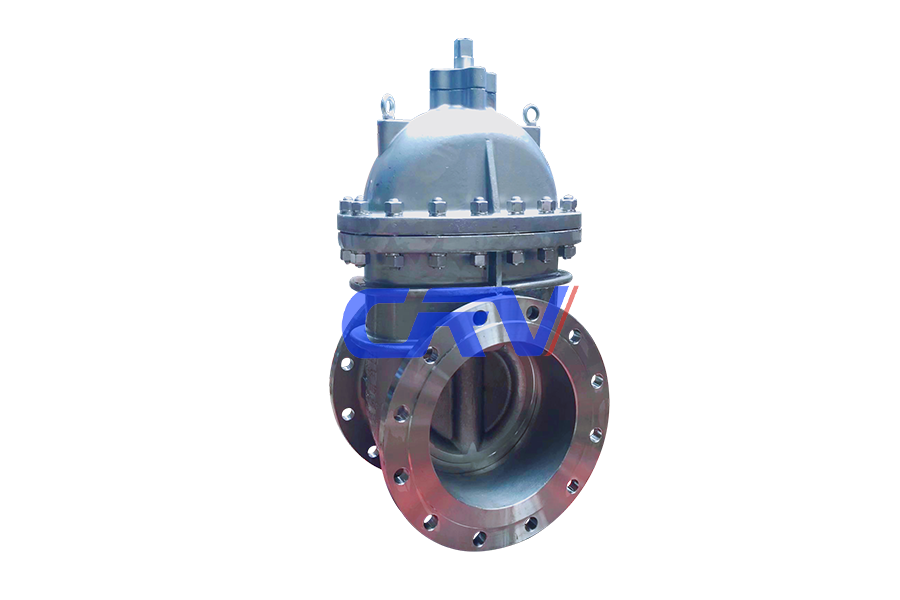
Stainless Steel 316 BS5163 Flanged Gtae Valve
Gate valve is typically used to totally shut off fluid flow or to provide full flow in the fully open position.
→
Dec 09,2022
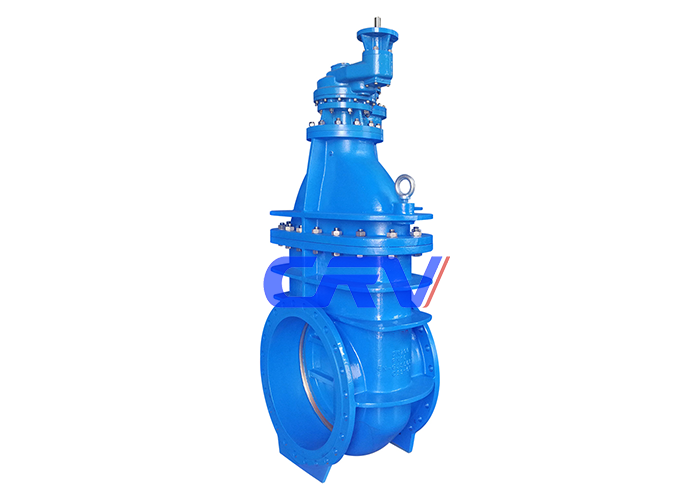
Delivery for a batch of BS5163 PN16 metal seated gate valve
BS5163 DN50-DN300 PN16 metal seated gate valve
Oct 27,2022
DN800 PN10 Foot Valve for Pump
Aug 29,2022
Electric actuate butterfly valve
Jul 11,2022
Dimension and Coating Measurement for Gate Valve
Jun 22,2022
Single Orifice Air Release Valve
A Single Orifice Air Valve sometimes referred to as a "small orifice" valve, will continuously release accumulated air during system operation. As air from the pipeline enters the valve, it displaces the water, allowing the float to drop. The air is then released into the atmosphere through a small orifice. As the air is vented it is replaced. An added benefit of an Air Valve is its ability to provide pipeline vacuum protection. If a negative pressure develops, the air release valve will open, admitting air into the line, reducing the potential for surges related to column separation and possible pipeline collapse. Benefits of Single Orifice Air Valve: While Air Valves will exhaust large quantities of air upon start-up, it should be remembered that they will not continuously release air during system operation. For this function, a single orifice air valve is also required. The function of a Single orifice air valve is to allow air to be expelled from the system during filling and to admit air into the system whenever sub-atmospheric pressure occurs. When water enters the valve body the float buoyancy lifts it on to the seat and the resultant rise in system pressure ensures a tight seal, with line pressure holding the float on the seat. In the event of air entering the valve while the line is still positively charged, the valve remains shut. In the event of sub-atmospheric pressure in the system, water is drawn from the body and the float drops from the seat to admit air into the system.
Get A Quote
* Note: Please be sure to fill in the information accurately and keep the communication unblocked, we will get in touch with you as soon as possible